
What is NBR Latex? Nitrile Latex Basics and Properties
Introduction to NBR Latex (Nitrile Butadiene Rubber Latex)
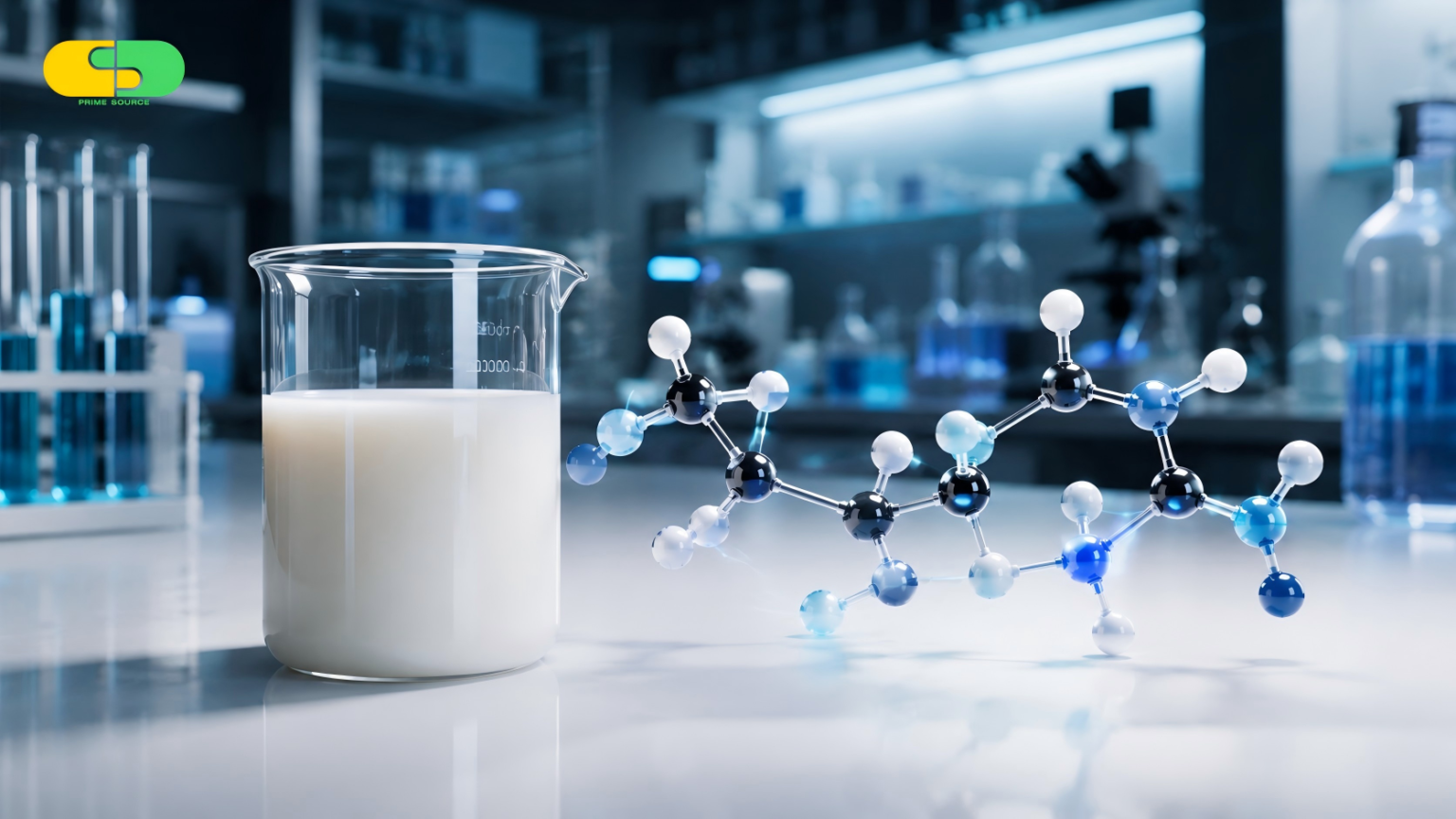
Nitrile Butadiene Rubber latex, commonly known as NBR latex, is a synthetic aqueous polymer dispersion produced via the emulsion polymerization of butadiene and acrylonitrile. As industrial applications demand higher chemical resilience, durability, and safety standards, NBR latex has emerged as a premier raw material in manufacturing protective products, coatings, and specialized dipped goods.|
Unlike natural rubber latex (NRL), which is harvested from rubber trees, NBR latex is entirely synthetic. This fundamental difference eliminates natural rubber latex protein concerns, making it the preferred choice for medical, industrial, and food-handling applications where latex protein allergy prevention is critical.
Core Advantage: The incorporation of acrylonitrile groups within the polymer chain provides NBR latex with exceptional resistance to oils, greases, fuels, and industrial solvents—properties that natural rubber simply cannot match.
Key Chemical Properties of NBR Latex
The performance profile of NBR latex is largely governed by its acrylonitrile (ACN) content and carboxylation degree. Key properties include:
Superior Oil and Chemical Resistance: Excellent barrier performance against petroleum hydrocarbons, animal fats, and various organic solvents.
Exceptional Tensile Strength and Abrasion Resistance: Provides robust mechanical durability under high-stress conditions.
Puncture and Tear Resistance: Highly effective in thin-film applications without sacrificing flexibility.
Protein-Free Composition: Eliminates Type I latex allergies, making it safe for sensitive end-users.
Property / Feature | NBR Latex (Nitrile) | Natural Rubber Latex (NRL) |
Origin | Synthetic (Petrochemical-based) | Natural (Hevea brasiliensis tree sap) |
Allergenicity | Protein-free (Zero risk of Type I allergy) | Contains natural proteins (Allergy risk) |
Oil & Solvent Resistance | Outstanding | Poor to Moderate |
Puncture & Abrasion Resistance | High durability | Moderate |
Elasticity & Softness | High (with modern compounding) | Exceptional initial elasticity |
Primary Industrial Applications
Because of its unique balance of mechanical strength and chemical inertness, NBR latex powers multiple high-demand manufacturing sectors:
Medical & Examination Gloves: High-purity grades utilized for disposable gloves requiring chemical splash protection and puncture resistance.
Industrial & Heavy-Duty Gloves: Protective gear designed for automotive assembly, oil processing, and chemical handling.
Non-Woven Binders & Adhesives: Used in saturation processes for paper, textiles, and specialty filtration media to improve tensile strength and water resistance.
Specialty Coatings: Dip-coated components requiring abrasion resistance and oil impermeability.
Frequently Asked Questions (FAQ)
Q1: Is NBR latex safe for people with latex allergies?
A: Yes. Unlike natural rubber latex, NBR latex is a synthetic polymer that contains zero natural rubber proteins. It completely eliminates the risk of Type I latex allergies, making it ideal for medical exams and food contact applications.
Q2: What makes NBR latex more oil-resistant than natural rubber?
A: The presence of acrylonitrile (ACN) groups within the nitrile butadiene polymer structure creates a tight molecular barrier that repels petroleum hydrocarbons, greases, and organic solvents, which typically degrade natural rubber.
Q3: What are the main storage and handling requirements for NBR latex emulsion?
A: NBR latex emulsions should typically be stored in tightly sealed containers at temperatures between 5°C and 35°C. Freezing or direct prolonged exposure to high heat should be avoided to prevent polymer coagulation or premature destabilization.
Conclusion
Understanding the chemistry and performance characteristics of NBR latex is vital for formulators and manufacturers seeking reliable elastomer solutions. By offering superior chemical resistance and zero allergen risks, nitrile latex continues to expand its footprint across global manufacturing industries.