
Understanding Fluoropolymer Properties: Chemical Resistance, Thermal Stability, and Beyond
1. Introduction
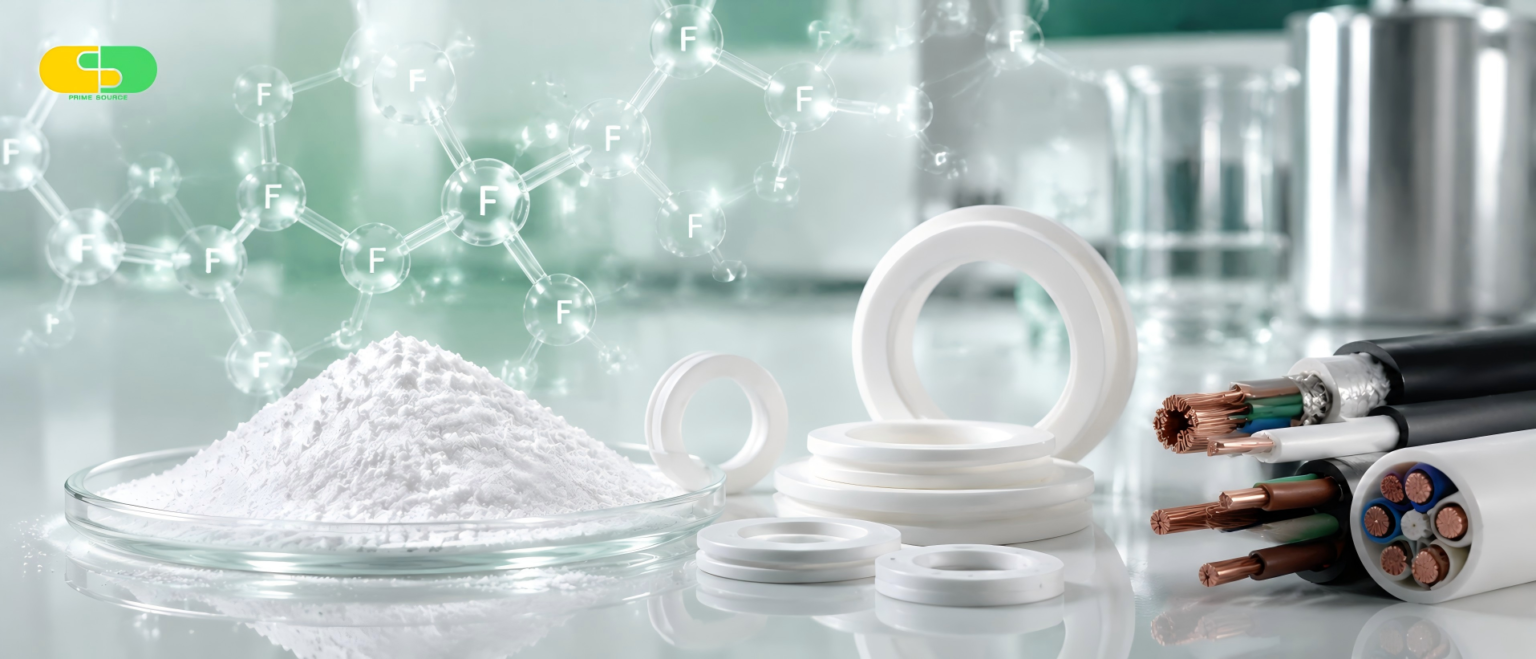
Fluoropolymers represent a pinnacle class of high-performance synthetic materials renowned for operating reliably in extreme industrial environments. Driven by robust carbon-fluorine backbones, understanding the core properties of these polymers—specifically chemical resistance, thermal stability, low friction, and electrical insulation—is crucial for engineers and procurement specialists selecting materials for demanding applications.
2. Deep Dive Into Core Fluoropolymer Properties
Unmatched Chemical Resistance: The dense sheath of fluorine atoms completely shields the carbon chain, rendering fluoropolymers virtually inert to aggressive acids, strong bases, and industrial solvents.
Exceptional Thermal Stability: Designed to perform continuously across extreme thermal ranges, often withstanding operating environments from cryogenic levels up to +260℃ or higher.
Low Friction & Non-Stick Nature: Possessing one of the lowest friction coefficients among solid substances, preventing material accumulation and ensuring smooth mechanical dynamics.
Superior Electrical Insulation: Exhibits high dielectric strength and electrical resistivity, making them vital for high-performance wire and cable insulation.
3. Comparative Overview of Key Properties
| Property Dimension | Technical Behavior | Typical Industrial Impact |
| Chemical Inertia | Resists strong oxidizers, acids, and organic chemicals without swelling or degradation. | Used for chemical processing pipelines, valve linings, and tank seals. |
| Thermal Endurance | Maintains mechanical integrity and low degradation rates at elevated temperatures. | Applied in high-temperature aerospace components and industrial gaskets. |
| Friction & Wear | Minimal surface energy results in non-stick, self-lubricating behavior. | Utilized in bearings, sliding elements, and anti-adhesion coatings. |
| Dielectric Strength | Outstanding electrical insulation under variable moisture and frequency conditions. | Ideal for coaxial cables, wire wraps, and electronic insulators. |
4. Frequently Asked Questions (FAQ)
Q1: Why do fluoropolymers exhibit such extreme chemical resistance?
A: The carbon-fluorine bond is one of the strongest in organic chemistry. This dense protective fluorine shield prevents reactive chemicals and solvents from attacking the main polymer backbone.
Q2: How do fluoropolymers perform in electrical insulation applications?
A: They feature high dielectric breakdown strength and extremely low dielectric constants, ensuring safe electrical performance even in thin layers under humid conditions.
Conclusion
The unique convergence of chemical inertia, thermal endurance, low friction, and electrical stability makes fluoropolymers indispensable for modern manufacturing. Matching these properties to your specific operational requirements ensures maximum durability and safety.