
PTFE Explained: Properties, Grades, and How to Choose the Right One
1. Introduction
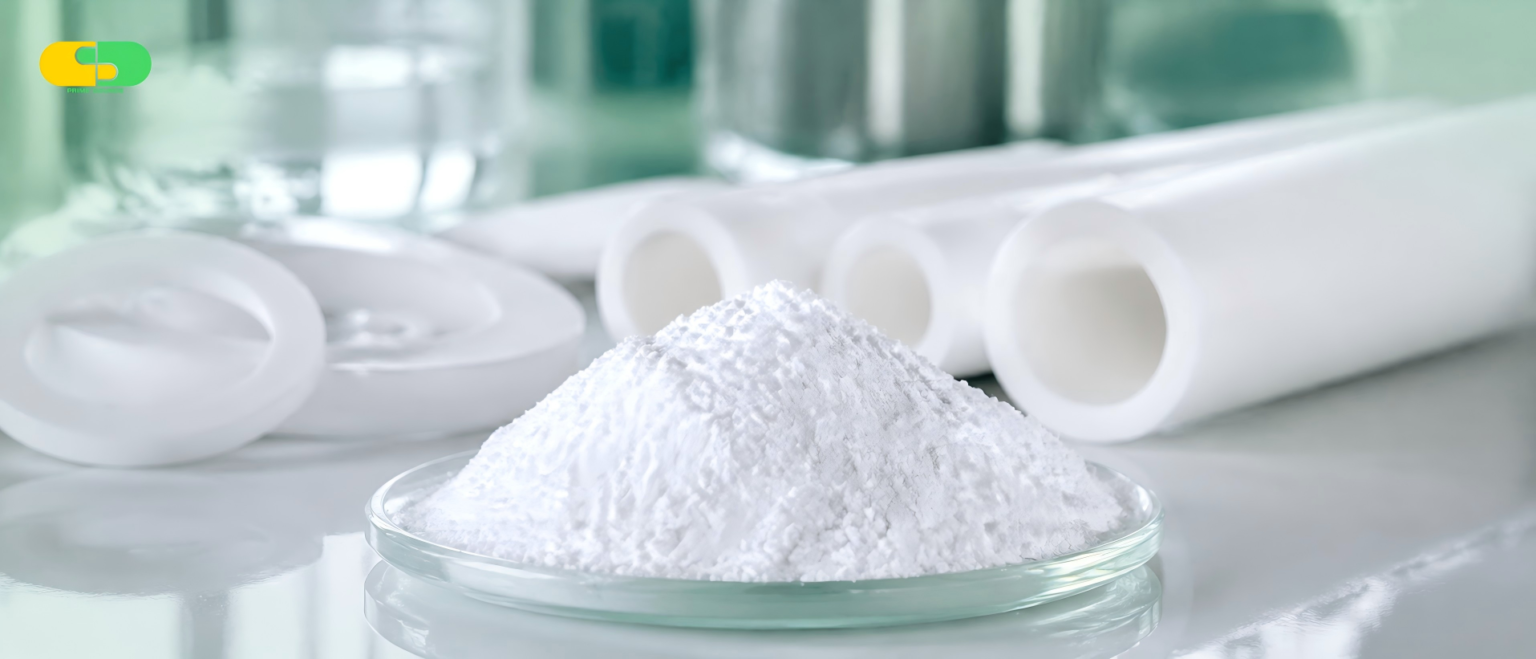
Polytetrafluoroethylene (PTFE) is a premier high-performance fluoropolymer celebrated globally for its exceptional chemical inertia, extreme temperature endurance, and near-zero friction coefficient. Widely deployed across industrial manufacturing, chemical processing, semiconductor fabrication, and high-frequency communication, mastering PTFE’s intrinsic properties and precise classification grades is essential for engineers and procurement professionals aiming to match the right material to rigorous operating environments.
2. Core Properties of PTFE
Chemical Inertia: PTFE is virtually unaffected by aggressive industrial chemicals, strong acids, bases, and organic solvents, making it ideal for corrosive fluid containment.
Thermal Stability: Retains continuous high-level mechanical and electrical performance across a broad operating temperature range (typically -200℃ to +260℃).
Low Friction & Non-Stick Behavior: Possesses one of the lowest friction coefficients of any solid material, providing superior anti-adhesion and self-lubricating qualities.
Electrical Insulation: Exhibits high dielectric strength and electrical resistivity under humid or dry conditions.
3. PTFE Classifications and Grade Selection Guide
| PTFE Classification | Key Characteristics & Particle Range | Representative Grades | Primary Industrial Applications |
| PTFE Micron Powder | Ultra-fine particles (D50: 2–5 µm); high specific surface area; designed as a performance additive. | DF-521T, DF-511T | Additives for lubricating oils, greases, elastomers, and protective paints. |
| PTFE Small Particle Molding Powder | Finer granular structure (15–40 µm); low metal ion precipitation. | DF-16A, DF-18A-30, DF-161 | Precision films, color films, large billets for turning boards, and semiconductor/5G components. |
| PTFE Middle Particle Molding Powder | Standard molding size (150–300 µm); balanced bulk density and mechanical strength. | DF-101, DF-102, DF-106 | Sheets, rods, gaskets, bearings, and clean semiconductor tank/pipeline linings. |
| PTFE Fine Powder | High molecular weight paste-extrusion resins; requires careful handling to prevent fibrillation. | DF-201, DF-203F, SF-14, SF-16 | Low-to-high density seal tapes, thread seal tape, hydraulic hoses, and specialized fibers. |
| PTFE Dispersion | Aqueous polymer emulsions (~60% solids content); milky liquid appearance. | SD-20, DF-331Z | Impregnating glass fiber/filter cloth, anti-corrosion coatings, and breathable films. |
4. Frequently Asked Questions (FAQ)
Q1: How do I choose between molding powders (small/middle particle) and fine powders?
A: Choose molding powders (such as middle or small particle grades) when your process involves compression molding or RAM extrusion into solid blocks, sheets, or thick-walled tubes. Choose fine powders if your process relies on paste extrusion for thin-walled tubes, tapes, or fibers.
Q2: Why is handling PTFE fine powder subject to strict temperature limits (e.g., below 19℃ )?
A: PTFE fine resin is softer at ambient room temperatures and vulnerable to irreversible fibrillation if subjected to excessive shear stress. Sieve and handle the powder below 19℃ before adding lubricants to prevent structural defects in the final extruded product.
Conclusion
Selecting the correct PTFE resin—ranging from micron additives and molding powders to fine resins and aqueous dispersions—ensures optimal component longevity, chemical resistance, and processing safety.